Demo content: this article is placeholder editorial copy written to demonstrate the FightNews layout. It does not describe any specific fight, result or quote.
When fans call a performance dominant, they usually mean more than the final result. They mean the fighter set the terms from the opening bell and never gave them back. Naoya Inoue is widely admired for a style built on a heavy jab, committed body punching and finishing power, which makes it a useful template for explaining what dominance looks like.
Reading dominance beyond the scorecard
Scores tell you who won rounds. They do not always tell you how. Dominance is easier to spot in patterns: who is landing first, who is forcing the other to react, and who is choosing where the exchanges happen.
Control of range
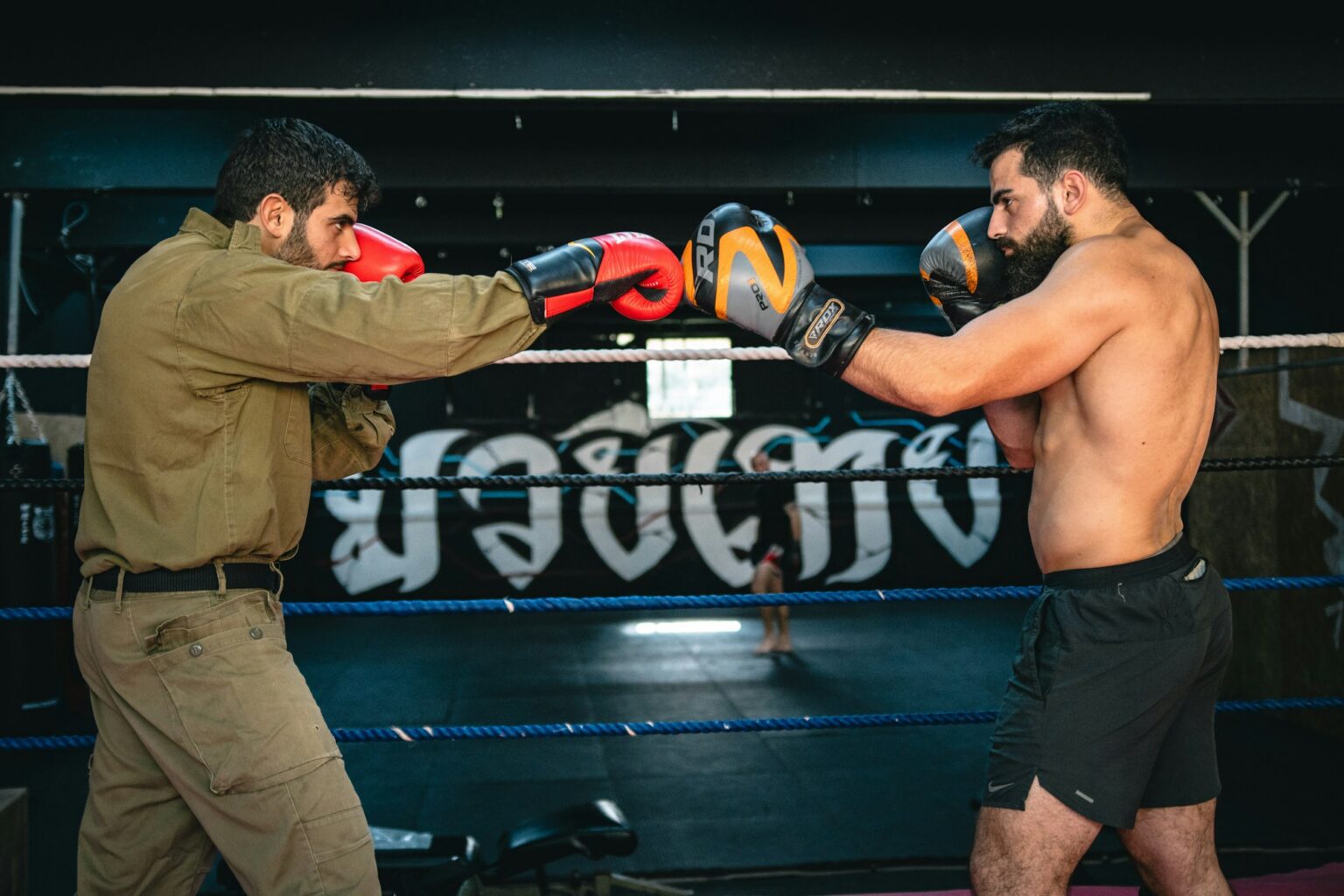
A dominant fighter owns the distance. The jab keeps the opponent at the end of the punch, and any attempt to close the gap is met with a counter or a pivot. Over several rounds, the opponent starts to hesitate, and hesitation is where fights are lost.
Body work
Body shots rarely look dramatic on the first landing, yet they pay off later. They lower the hands, slow the legs and open the head for cleaner punches. Watch for a change in how the opponent breathes and moves around the middle rounds.
Composure under pressure
The quietest sign of control is a fighter who never looks rushed. Even when the opponent has a good moment, the dominant fighter resets, finds the jab again and returns to the plan.
Why this matters to readers
A good results article answers three questions: what happened, why it happened and what it means next. This demo piece shows where each of those answers would sit on the page.
A note on this demo story
This placeholder is here to demonstrate layout. Replace it with a real report once an actual fight has taken place.






Join the Conversation